← All Blogs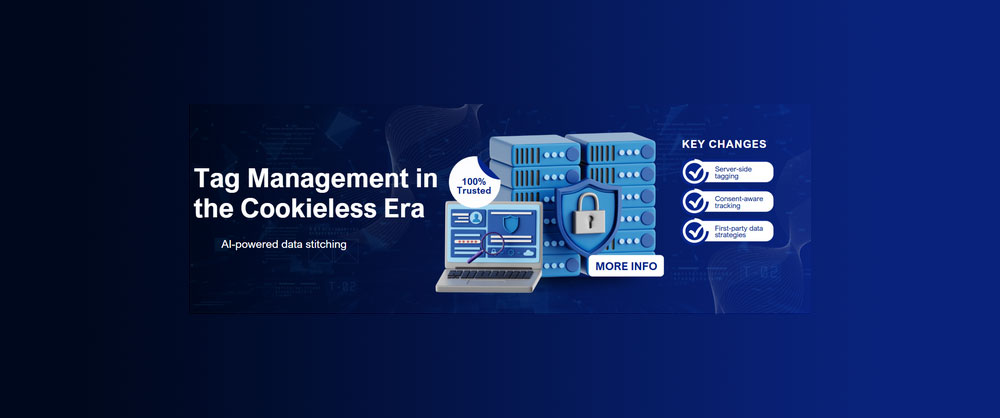
Blogs
Tag Management in the Cookieless Era: Smarter Tracking Without Compromising Privacy
7/3/2025
Quick Answer
As third-party cookies disappear, tag management is shifting to server-side tagging, consent-aware tracking, and first-party, event-based data collection to stay accurate and compliant.
The digital world is undergoing a privacy revolution. With the deprecation of third-party cookies and increasing global privacy regulations, marketers are rethinking how they track user behavior and measure performance. The good news: we don't need to sacrifice data quality to respect user privacy.
Why Tag Management Needs to Evolve
For years, marketers relied on third-party cookies and tracking pixels embedded through tag managers. But with browsers like Safari and Firefox blocking third-party cookies by default, and Chrome phasing them out entirely, traditional methods are fading fast. Add laws like GDPR and CCPA, and it's clear: tagging strategies must shift from invasive to intelligent.
What Is Tag Management Today?
Modern tag management isn't just about injecting JavaScript snippets — it's about orchestrating compliant, consent-driven data collection while maintaining visibility into user journeys. Key changes include server-side tagging, consent-aware tracking, event-based first-party data strategies, anonymized user IDs, and AI-powered data stitching.
Smarter Tracking Starts with Server-Side Tagging
Client-side tagging is fragile and dependent on disappearing cookies. Server-side tagging routes data through your own server before it's sent to platforms like Google Analytics, Facebook, or CRMs — giving brands more control over what's shared and how. Benefits: reduced data loss, better load times (improved Core Web Vitals), full control over data governance, and works seamlessly with first-party identifiers. A common pairing: Google Tag Manager Server-Side + Stape.io.
Consent Is King — Build Tracking Around It
In 2025, users demand clear choices, and your tag strategy must respect regional compliance rules and preferences in real time. Implement a Consent Management Platform (CMP) that dynamically controls which tags fire based on consent status. Top CMPs: OneTrust, Sourcepoint, Cookiebot — all integrate directly with GTM and server-side setups.
Focus on First-Party Data + Event-Based Tracking
First-party data reigns supreme: behavior on your site, logged-in user actions, form submissions. Event-based tracking focuses on what users do, not who they are, providing rich insights without storing personal identifiers. Tool stack: Segment + GA4 + Meta CAPI collect, clean, and distribute first-party events with precision and compliance.
Anonymization & AI-Powered Attribution
Even without cookies, you can still measure attribution — just differently. AI models fill gaps in user journeys by probabilistically stitching sessions based on device type, location, time, and behavior. Tools like Piwik PRO and MadKudu provide attribution insights without personal data.
The Bottom Line
You don't need cookies to understand your audience — you need a better, cleaner, more ethical approach to data. Tag management today is about embracing server-side infrastructure, respecting user consent, prioritizing first-party and event-based data, and leveraging AI to fill in the gaps without compromising trust.